We offer a 120-day trial period for unused products.



Luggage Maintenance Tips: How to Clean, Store, and Extend Your Suitcase’s Life
Your suitcase is more than just a functional object used to transport your belongings; it is an investment in your travel comfort and security. Whether you are a frequent flyer navigating busy airports weekly or a casual vacationer taking an annual trip, your luggage is subjected to significant wear and tear. From being tossed by baggage handlers to navigating rugged cobblestone streets, suitcases take a beating.
Proper luggage maintenance is the secret to ensuring your bag lasts for years, saving you money on replacements and ensuring your belongings stay safe. In this comprehensive guide, we will explore the best practices for cleaning, storing, and repairing your suitcase to maximize its lifespan.
Why Luggage Maintenance Matters
Ignoring maintenance can lead to frustrating experiences during your travels. A broken zipper at the airport or a wheel that snaps off while walking to your hotel can ruin a trip. By investing a little time in care, you can avoid:
- Broken Zippers: Jammed or snapped zippers are the most common luggage failure.
- Damaged Wheels: Wheels that no longer spin smoothly make traveling exhausting.
- Structural Damage: Scratches, cracks, or punctures on hardside cases.
- Mold and Odors: Improper storage can lead to mildew, making your clothes smell unpleasant.
Regular maintenance protects your investment and ensures a smoother travel experience every time.
How to Clean Different Types of Suitcases
Different materials require different cleaning approaches. Always check the manufacturer’s instructions before cleaning, but these general guidelines work for most bags.
1. Hard-Shell Luggage Cleaning Tips
Hard-shell suitcases, usually made of polycarbonate, ABS, or aluminum, are durable but prone to scratches and scuffs.
- Exterior Cleaning: Wipe down the exterior with a damp cloth and mild soap. Avoid abrasive cleaners or harsh chemicals, which can damage the finish or weaken the material.
- Removing Scuffs: For stubborn black scuffs, a magic eraser works wonders. Gently rub the affected area; do not scrub too hard, or you may remove the shiny finish.
- Interior Cleaning: Vacuum the interior thoroughly to remove dirt and crumbs. Wipe it down with a damp cloth and mild detergent.
- Drying: Allow the suitcase to dry completely with the lid open in a well-ventilated area before closing it.
2. Fabric/Soft-Sided Suitcase Cleaning
Soft-sided bags are prone to absorbing dirt, moisture, and odors.
- Interior Cleaning: Start by emptying the bag and vacuuming the interior, ensuring you get into the corners.
- Spot Cleaning: Use a mixture of warm water and a small amount of mild detergent to spot-clean stains. Use a soft brush or sponge to gently agitate the fabric.
- Deep Cleaning: For a complete clean, use a fabric-safe cleaner. Do not soak the bag, as it can damage the internal structure or cause mold to grow inside the lining.
- Drying: Fabric takes longer to dry. Ensure it is completely dry to prevent mildew, which can cause permanent odors.
Maintaining Suitcase Wheels, Zippers, and Handles
The moving parts of your luggage are the most vulnerable. Regular check-ups are essential for luggage maintenance.
1. Cleaning and Fixing Wheels
Your luggage wheels take a beating on uneven surfaces.
- Clean Regularly: After a trip, remove any debris like hair, thread, or dirt from the wheel housing using tweezers or a brush.
- Lubricate: Apply a silicone-based lubricant to the wheel mechanism to keep them rolling smoothly. Avoid using oil-based lubricants, which attract dust and grime.
- Check for Damage: Look for cracks or loose housing. If a wheel is damaged, it is often better to replace it immediately than to risk it failing during a trip.
2. Lubricating Zippers
A stuck zipper is a common problem, but it is easily preventable.
- Lubrication: Rub a graphite pencil or a specialized zipper lubricant along the teeth of the zipper. This helps the slider glide effortlessly.
- Clean Zippers: If the zipper is stuck due to dirt, use a soft toothbrush to clean between the teeth.
- Broken Zippers: If a zipper tooth is damaged or the zipper slider is broken, it may require a professional repair.
3. Handle Check-Ups and Fixes
The telescoping handle is crucial for maneuverability.
- Test Extension: Regularly extend and retract the handle to ensure it works smoothly.
- Tighten Screws: Over time, vibrations can loosen screws. Check for loose screws on the handle mechanism and tighten them with a screwdriver.
- Lubrication: If the handle sticks, apply a small amount of dry lubricant inside the handle housing.
Storage Tips to Extend the Life of Your Suitcase
How you store your luggage between trips significantly impacts its lifespan.
1. Best Practices for Long-Term Storage
- Dry and Clean: Never store a suitcase that is dirty or damp.
- Cool, Dry Place: Store luggage in a dry place away from direct sunlight, which can fade colors and degrade certain materials over time. Avoid damp basements or hot attics.
- Avoid Pressure: Do not stack heavy items on top of your luggage, as this can cause the shell to deform or the handle mechanism to bend.
2. Avoiding Mold, Odors, and Deformation
- Airflow: Leave zippers slightly open to allow airflow inside the bag.
- Odor Absorbers: Place baking soda, activated charcoal, or cedar sachets inside the bag to absorb moisture and keep it smelling fresh.
- Empty Pockets: Ensure all pockets are emptied to prevent leftover items from creating clutter or odors.
3. Use of Suitcase Covers or Bags
- Protection from Dirt: A luggage cover protects your suitcase from scratches, scuffs, and dirt during transit.
- Storage Protection: Using a storage bag (like a large cotton laundry bag) protects your suitcase from dust when not in use.
When to Upgrade Your Luggage
Even with the best luggage maintenance, suitcases do not last forever. If you are noticing significant damage, it might be time to invest in a new piece. If you are looking for reliable, high-quality gear, consider the Verage London Carry-On Luggage for your next adventure. It is designed with durability in mind to withstand the rigors of travel.
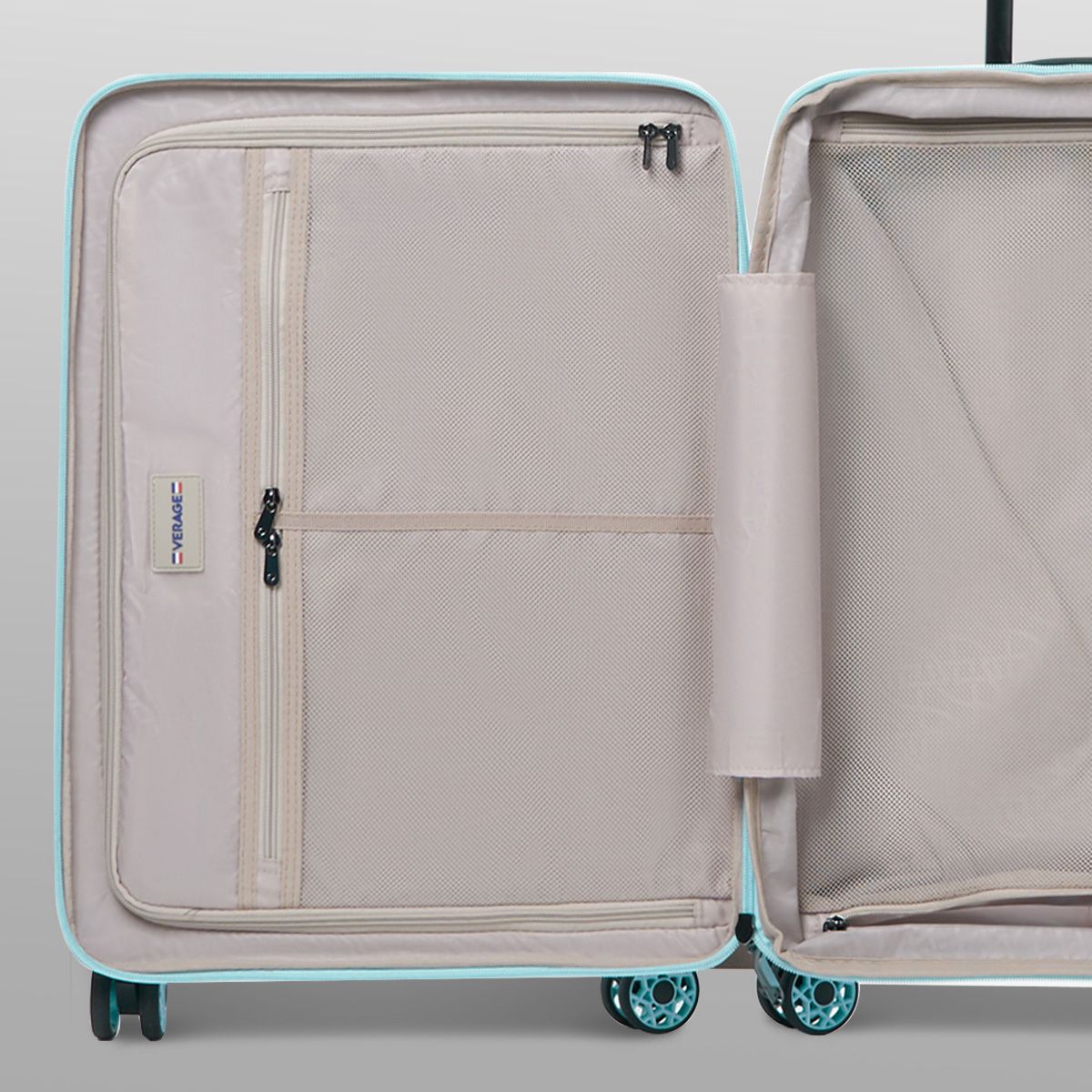
Signs it is time to replace your luggage:
- The shell is cracked.
- The frame is bent or broken.
- The wheels are permanently damaged or falling off.
- The zippers are broken beyond repair.
Conclusion: Take Care of Your Luggage
Your suitcase is an essential part of your journey. By following these luggage maintenance tips—regularly cleaning the exterior and interior, lubricating moving parts, and storing it properly—you can protect your investment and ensure your bag is ready for your next adventure. Taking care of your suitcase means you can focus on the journey itself, rather than worrying about your belongings. Safe travels!




© 2024 VERAGE Powered by Shopastro
Last Updated2026-07-16