We offer a 120-day trial period for unused products.


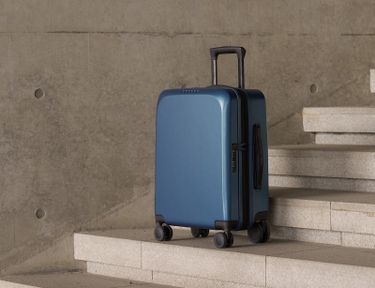
Why Checked Bags Get Delayed and 7 Smart Ways to Avoid It
There is a specific kind of sinking feeling that only occurs at the airport carousel. You watch the crowd thin out, the mechanical belt groan to a halt, and realize your suitcase is nowhere to be found. It’s the ultimate travel buzzkill. Whether you’re heading to a high-stakes business meeting or a long-awaited tropical escape, lost or delayed luggage can throw a massive wrench in your plans.
But why does it happen? And more importantly, how can you stop it from happening to you? In this guide, we’ll dive into the logistics of the luggage underworld and provide actionable strategies to ensure your belongings arrive when you do.
Understanding the Logistics: Why Do Checked Bags Get Delayed?
To solve the problem, we first have to understand the "why." Most travelers assume their bag is simply sitting in a dark corner of the airport, but the reality is often more complex. Modern baggage handling is a high-speed dance of barcodes, conveyor belts, and tight windows.
Short Layovers and Tight Connections
The most common culprit for a "delayed bag" is a tight connection. While you might be able to sprint from Terminal A to Terminal D in fifteen minutes to catch your flight, your suitcase has to travel through a labyrinthine sorting system. If your first flight is delayed even by ten minutes, your bag might not make the transfer in time. This is why "checked bag delivery time" becomes a variable rather than a constant.
Human Error and Tag Malfunctions
Despite the rise of automation, humans still play a massive role in luggage handling. A baggage handler might misread a tag, or a sticky residue from a previous flight’s sticker might cause your bag to get stuck on a sorter. Sometimes, the thermal printer at check-in runs out of ink, resulting in a faded barcode that the scanners can’t read.
Technical Glitches in Sorting Systems
Large hubs like Heathrow or Denver rely on massive, automated baggage handling systems. If a computer glitch occurs or a tray goes off-track, hundreds of bags can be diverted to a "manual processing" area, causing significant delays. When you choose the right suitcase, you want something with a smooth exterior that won't easily snag on these complex conveyor systems.
Security Re-Checks and TSA Inspections
Sometimes, your bag is delayed because it’s being a "good citizen." If the TSA or airport security spots something suspicious—like a tangled mess of chargers or an organic mass that looks like an explosive on the X-ray—they will pull the bag for a manual search. If this happens right before takeoff, the bag won't make the flight.
7 Smart Ways to Avoid Delayed Luggage
Knowing the risks is half the battle. The other half is preparation. By following these seven expert-vetted strategies, you can significantly reduce the chances of your luggage going rogue.
1. Book Direct Flights Whenever Possible
If there is no connection, there is no opportunity for your bag to be left behind at a transfer hub. While direct flights can sometimes be more expensive, the peace of mind they offer is invaluable. If you must have a layover, try to ensure it is at least 90 minutes to two hours long to give the ground crew enough time to move your gear.
2. Check In Early (But Not Too Early)
There is a "Goldilocks zone" for checking your bags. If you check in too late (less than 45 minutes before a domestic flight), your bag likely won't make the belt. Conversely, checking in five hours early can sometimes lead to your bag being placed in a "long-term storage" area where it might be overlooked when the flight starts loading. Aim for the 2-to-3-hour window.
3. Invest in Smart Tracking Technology
In the modern era, you shouldn't have to guess where your bag is. Using a Bluetooth tracker like an Apple AirTag or a Tile allows you to see exactly where your suitcase is located. If you’re sitting on the plane and your phone shows your bag is still in the terminal, you can alert a flight attendant immediately. Pairing this tech with a durable hardside suitcase ensures your tracker stays protected and the bag remains intact.
4. Remove Old Tags and Stickers
This is a simple mistake that many frequent flyers make. Those little white "lotto stickers" that gate agents wrap around your handle contain barcodes from previous flights. If a scanner picks up a tag from your trip to Paris six months ago instead of your current flight to Tokyo, your bag is going to the wrong continent. Strip your bag clean of all old stickers before every trip.
5. Make Your Bag Stand Out
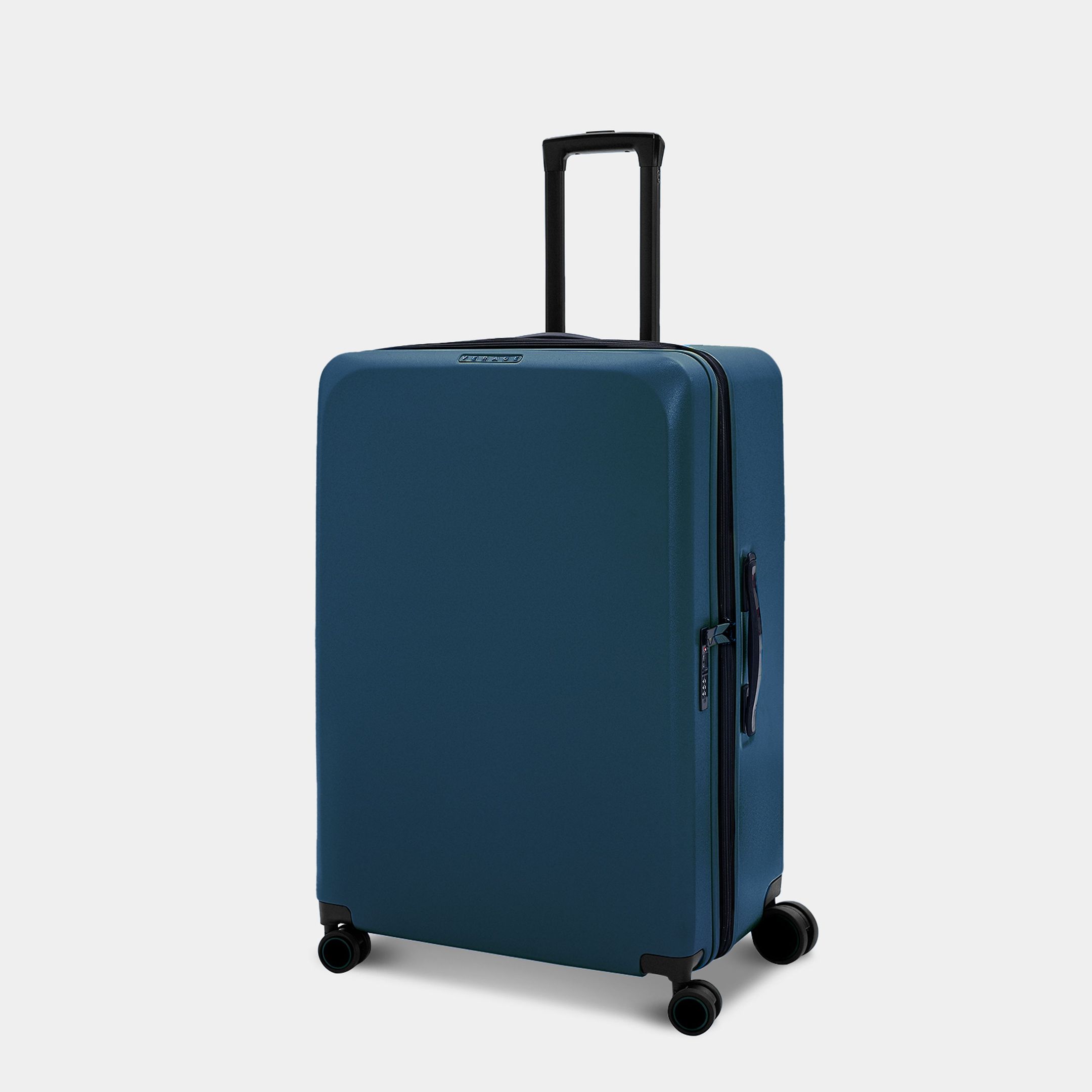
A sea of black nylon suitcases is a recipe for "accidental theft." Often, bags aren't "lost" by the airline but are instead picked up by another passenger who thinks it's theirs. Use a bright luggage strap, a unique luggage tag, or better yet, purchase a suitcase in a distinct color. VERAGE offers a variety of stylish and recognizable travel gear that makes spotting your bag at the carousel a breeze.
6. Take a Photo of Your Bag and Contents
Before you hand your suitcase over to the agent, snap a quick photo of the outside and the open inside. If the bag does go missing, showing a photo to the "Lost and Found" desk is much more effective than saying, "It’s a medium-sized black bag." The interior photo also serves as an inventory list for insurance claims if the bag is never recovered.
7. Use a Robust, Identifiable Luggage Brand
Quality matters. A cheap zipper that bursts or a handle that snaps can cause a bag to be pulled from the line. Using high-quality lightweight luggage ensures that your bag can withstand the rigors of the automated sorting system without falling apart.
Frequently Asked Questions About Delayed Bags
What should I do if my checked bag is delayed?
Immediately find the baggage claim office for your airline before leaving the airport. File a Property Irregularity Report (PIR) and get a copy of the claim number. This is essential for tracking and for any future reimbursement requests.
How long does it take for a delayed bag to arrive?
In 97% of cases, delayed bags are returned to owners within 24 to 48 hours. Most airlines will deliver the bag directly to your hotel or home once it arrives at the airport.
Does the airline compensate for delayed luggage?
Yes. Under the Montreal Convention, airlines are liable for "reasonable" expenses incurred due to delayed luggage (like toiletries and basic clothing). Keep all your receipts!
Conclusion
At the end of the day, your luggage is the vessel for your life while you are on the road. Choosing a bag that is engineered for the modern traveler can mitigate many of the risks associated with airport handling. Look for features like TSA-approved locks, 360-degree spinner wheels for easy movement, and reinforced corners.
When your gear is reliable, you spend less time worrying about "what if" and more time enjoying the destination. Proper preparation, combined with the right equipment, turns a potential travel nightmare into a minor hiccup.
Ultimately, travel is about the journey, but that journey is much smoother when your bags are right there with you. By following these 7 smart ways to avoid luggage delays—from tracking your bags with tech to ensuring your suitcase is a high-quality model from VERAGE—you are taking control of your travel experience. Pack smart, stay informed, and happy travels!




© 2024 VERAGE Powered by Shopastro
Last Updated2026-09-17