We offer a 120-day trial period for unused products.



Suitcase Material Showdown: PC vs. ABS vs. Aluminum-Magnesium Alloy
Travelers compare capacity, wheels, and price—but few realize how much suitcase material determines durability, weight, flexibility, scratch resistance, and even travel comfort. Choosing the right material can mean the difference between a smooth journey and a cracked shell mid-trip.
This in-depth guide explores the strengths and weaknesses of PC luggage, ABS luggage, and aluminum-magnesium alloy luggage, helping you pick the ideal option for your lifestyle and travel habits.
Why Suitcase Material Matters More Than You Think
A suitcase is more than a box with wheels—it’s a travel partner that protects your essentials. The suitcase material affects:
- Weight during carry-on or long walks
- Impact resistance at airports
- Scratch-resistance after multiple trips
- Flexibility and resistance to cracking
- Price and lifespan
With so many choices available, questions like “Is PC luggage worth it?”, “Is ABS luggage too fragile?”, or “Is aluminum-magnesium luggage too heavy for daily use?” are now common questions among travelers. Let’s break down the three major suitcase materials in today’s market.
PC Luggage vs. ABS Luggage vs. Aluminum-Magnesium Alloy: A Quick Comparison
Before diving deeper, here’s a simple overview:
| Material | Strength | Weight | Durability | Price | Best For |
| Polycarbonate (PC) | High | Lightweight | Excellent | Medium–High | Frequent flyers, business trips |
| ABS | Medium | Very Lightweight | Moderate | Affordable | Budget travelers, occasional trips |
| Aluminum-Magnesium Alloy | Very High | Heavy | Exceptional | Premium | Luxury travelers, fragile gear |
Now let’s break each material down with real-world insights.
PC Luggage: The Traveler’s Favorite for Balance and Durability
What Is PC Luggage?
PC luggage is made from polycarbonate, a premium thermoplastic known for its incredible impact strength and flexibility. When pressure is applied, it bends slightly instead of cracking—one reason airports love using PC for protective cases.
Why PC Luggage Stands Out
Excellent impact resistance
PC shells absorb shock and bounce back, protecting your belongings even when airlines handle bags roughly.
Lightweight yet durable
Many travelers pick PC luggage when searching “What is the best lightweight suitcase material for frequent travel?” because it offers strength without excess weight.
Less prone to cracks and fractures
PC’s flexibility prevents damage even during intense impacts or rough landings.
Aesthetic appeal
PC materials allow for sleek, glossy finishes, matte textures, and creative color designs.
Potential Drawbacks
- Slightly more expensive than ABS luggage
- May show scratches on glossy models (matte surfaces scratch less)
For travelers who want durability without heavy weight, PC luggage consistently ranks as one of the top choices.
ABS Luggage: Lightweight, Affordable, Practical for Casual Travel
What Is ABS Luggage?
ABS (Acrylonitrile Butadiene Styrene) is a common suitcase material known for its affordability and feather-light weight. Many first-time travelers choose ABS luggage because of its value.
Why ABS Luggage Works for Many Travelers
Budget-friendly
If your priority is cost savings, ABS luggage is the most economical option on the market.
Extremely light
At similar sizes, ABS luggage weighs less than PC luggage and far less than aluminum-magnesium alloy.
Ideal for occasional trips
If you travel only a few times a year, ABS luggage meets basic durability needs without overspending.
Limitations
- Lower impact resistance
- More prone to surface scratches
- Harder to withstand rough airline handling
Many manufacturers now blend ABS with PC for improved durability. For example, PC/ABS composite shells offer the affordability of ABS with the resilience of PC, making them a popular middle-ground choice.
Aluminum-Magnesium Alloy: The Premium Choice for Maximum Protection
What Makes Aluminum-Magnesium Alloy Special?
This material is known for elite strength, metallic beauty, and lifelong durability. It’s commonly used in aviation and advanced engineering due to its rigidity and structural integrity.
Why Travelers Choose Aluminum-Magnesium Suitcases
Unmatched durability
This is the strongest suitcase material in mainstream travel luggage.
Iconic luxury look
The brushed metal finish ages beautifully and develops character over time.
Superior protection
Ideal for expensive equipment (cameras, drones, instruments).
Rigid frame
Prevents pressure collapse, a major plus for long-distance or frequent flyers.
Considerations
- Heavier compared with PC luggage
- Higher cost (often 2–3x ABS)
- Can dent instead of crack
- Hinged frame prevents expansion
While premium travelers adore metal suitcases, the material is not always necessary for casual trips or lightweight carry-on needs.
Which Suitcase Material Should You Choose?
Best for Frequent Flyers: PC Luggage
Its mix of durability, impact resistance, and lightness makes PC luggage ideal for business travelers and jetsetters.
Best for Budget Travelers: ABS Luggage
If you're seeking affordable and lightweight travel gear, ABS luggage gets the job done.
Best for Protection and Style: Aluminum-Magnesium Alloy
If you value premium aesthetics and maximum protection, this is the ultimate pick.
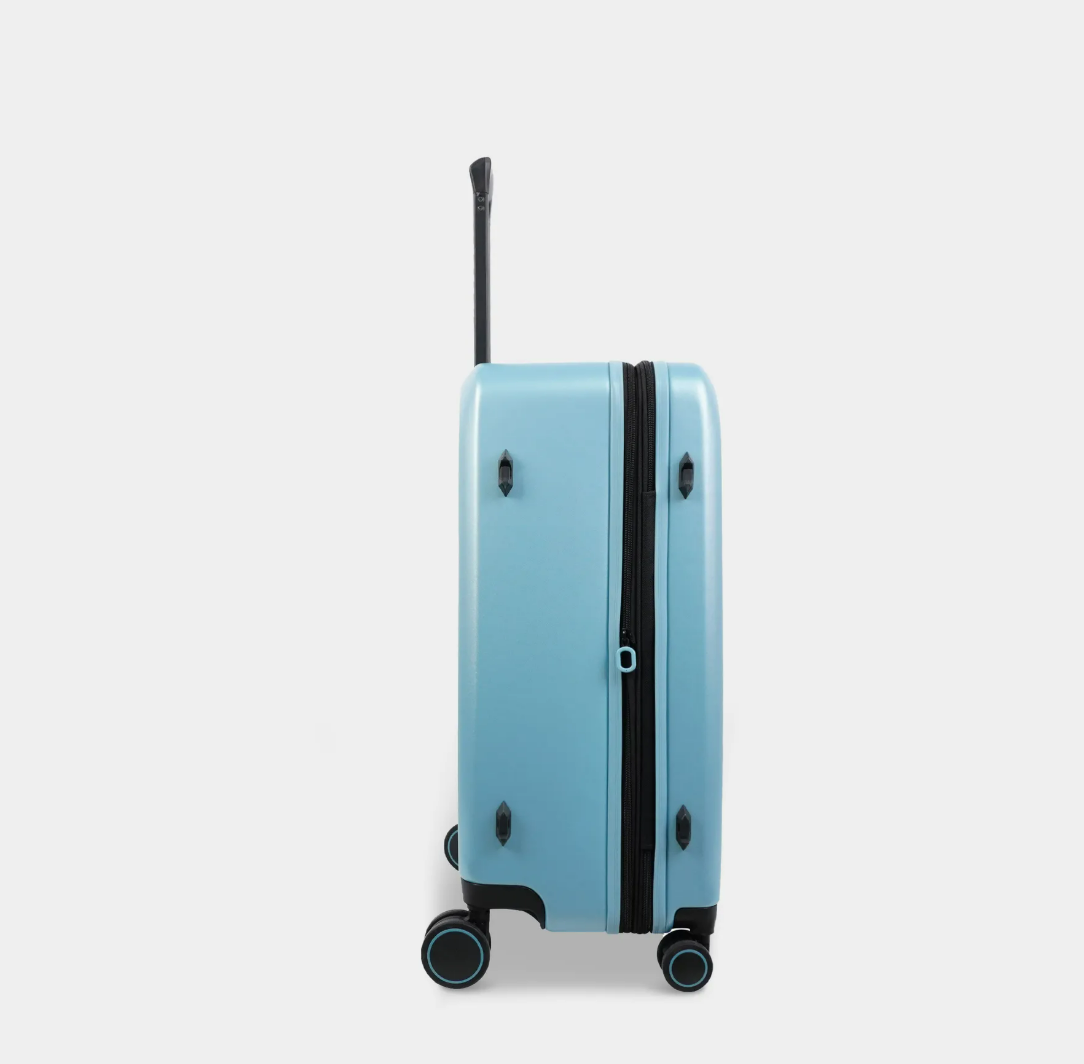
A Smart Pick for Travelers: Verage Freeland Carry-On
If you're looking for a suitcase that combines practicality and durability without unnecessary weight, the Verage Freeland Carry-On is an excellent example of a smart, balanced design.
Why It Works Well
- PC/ABS hybrid shell for enhanced strength
- Minimalist flat shell for personal customization
- Oversized rear wheels for rough terrains (rare in carry-ons)
- Meets international airline carry-on standards
- Expandable zipper design for extra space
Its innovative wheel system—designed after studying real traveler behavior—makes it smooth and stable even on cobblestones or slopes, giving it an edge over many traditional carry-ons.
Conclusion: Choosing the Suitcase Material That Truly Fits Your Journey
The right suitcase material isn’t about chasing trends—it’s about matching your travel rhythm, your destinations, and the way you move. If you want reliability without added weight, PC luggage offers the perfect blend of strength and flexibility. When affordability matters most, ABS luggage delivers a lightweight and practical option for occasional trips. For travelers who demand premium protection and refined aesthetics, aluminum-magnesium alloy stands in a league of its own.
Every journey begins before you board the plane—right when you choose the luggage that will accompany you through airports, city streets, and new adventures. With a clearer understanding of each suitcase material, you can now invest in a travel companion that’s built not just for storing belongings, but for elevating your travel experience. Travel smart, travel confidently, and let the right suitcase like Verage carry you forward. Safe journeys ahead.




© 2024 VERAGE Powered by Shopastro
Last Updated2026-09-17