We offer a 120-day trial period for unused products.


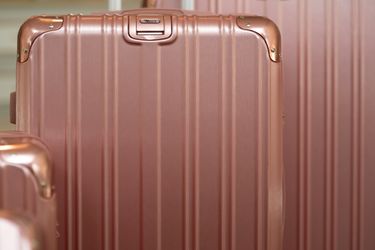
Is polycarbonate or polypropylene better for luggage?
When it comes to selecting the perfect suitcase, travelers often find themselves debating between two popular materials: polycarbonate and polypropylene. Both offer durability and lightweight benefits, but there are significant differences that can influence your decision. This blog will dive into the characteristics of polycarbonate shell luggage and polypropylene luggage to help you choose the right option for your travels.
What is Polycarbonate Shell Luggage?
Polycarbonate shell luggage is made from a high-performance plastic known for its impact resistance and strength. This type of luggage is incredibly popular among frequent travelers because of its ability to withstand rough handling at airports. Unlike softer fabrics, polycarbonate hardside luggage provides a rigid and protective exterior, making it less susceptible to damage from external forces.
One of the key benefits of polycarbonate hard shell luggage is its flexibility. Even though it's hard on the outside, the material can slightly bend under pressure, preventing cracks or breaks. This makes polycarbonate hard shell suitcases a top choice for those looking for luggage that can handle the bumps and bruises of travel.
Benefits of Polycarbonate Hardside Luggage
The polycarbonate hardside luggage design is ideal for anyone who prioritizes the safety of their belongings. With its solid structure, it offers better protection compared to soft-sided luggage. This is particularly useful when traveling with fragile items or electronics that could be damaged by pressure or impact.
Additionally, polycarbonate hard shell suitcases are resistant to extreme temperatures. Whether you’re in the scorching desert or freezing arctic, polycarbonate hard shell luggage remains strong and durable without becoming brittle or weakened by the elements. This is an essential factor for international travelers who encounter a variety of climates.
What is Polypropylene Luggage?
Polypropylene, on the other hand, is another lightweight plastic often used in luggage. It’s known for being extremely lightweight compared to polycarbonate hard shell luggage, making it an attractive option for those who want to minimize weight without compromising too much on strength. However, polypropylene tends to be slightly less durable than polycarbonate, which is something to consider depending on your travel needs.
While polypropylene is flexible, it's not as strong as polycarbonate hardside luggage when it comes to impact resistance. For this reason, polypropylene luggage may be more prone to cracking under severe pressure or impact, although it does provide decent protection for the average traveler.
Durability: Polycarbonate Shell Luggage vs. Polypropylene Luggage
When comparing the durability of polycarbonate shell luggage and polypropylene, polycarbonate comes out on top. Polycarbonate hard shell suitcases are designed to be more resilient and can take a beating during travel. They are better suited for rough handling and can better withstand pressure without showing signs of wear and tear.
Polypropylene, while still relatively durable, falls short when compared to polycarbonate hard shell luggage. Its lightweight nature is a plus, but it doesn’t provide the same level of protection as polycarbonate. If you're someone who frequently checks your luggage, polycarbonate hardside luggage is a better option due to its higher resistance to cracking and denting.
Weight: Polycarbonate Hardside Luggage vs. Polypropylene Luggage
One of the biggest advantages of polypropylene is its weight. Polypropylene luggage is typically lighter than polycarbonate hard shell luggage, which can be a huge benefit if you’re trying to avoid extra baggage fees. For short trips or if you prefer carry-on luggage, polypropylene could be the way to go.
However, even though polycarbonate hardside luggage is slightly heavier, it offers better protection, which is a significant trade-off. If you're not too concerned about the weight but value the security of your belongings, polycarbonate hard shell suitcases are the superior choice.
Appearance and Design Options in Polycarbonate Hard Shell Suitcases
Another aspect that travelers consider when choosing between polycarbonate hard shell luggage and polypropylene luggage is appearance. Polycarbonate hardside luggage often has a glossy finish, which can make it look more sleek and modern. The material allows manufacturers to produce luggage in a wide variety of colors and designs, making it easy to find a suitcase that matches your personal style.
Polypropylene luggage, on the other hand, tends to have a matte finish. While it may not have the same level of shine as polycarbonate hard shell suitcases, polypropylene can still look stylish. However, its surface is more prone to scratches and scuffs, which can affect the overall appearance of the luggage after several trips.
Flexibility in Polycarbonate Hard Shell Luggage
The flexibility of polycarbonate hard shell luggage is one of its standout features. Even though it’s classified as hardside luggage, polycarbonate hard shell suitcases have a slight "give" when pressure is applied. This means that instead of cracking or breaking upon impact, the material can absorb the force and revert to its original shape. For travelers who tend to pack their luggage to the brim or who are concerned about potential impacts during transit, this flexibility offers peace of mind.
Polypropylene, while also somewhat flexible, doesn’t have the same degree of resilience as polycarbonate hardside luggage. It may bend slightly, but it’s more likely to crack under severe pressure.
Price: Is Polycarbonate Hard Shell Luggage Worth the Investment?
Price is another factor to consider. Polycarbonate hard shell suitcases tend to be more expensive than polypropylene due to their higher durability and resistance to wear and tear. If you’re someone who travels frequently or carries expensive or fragile items, investing in polycarbonate hard shell luggage might be worth the extra cost in the long run.
Polypropylene luggage is generally more affordable, which makes it a good option for travelers on a budget. If you don’t travel often or if your trips are mostly short-term, polypropylene can be a practical choice without breaking the bank.
Conclusion: Polycarbonate Hard Shell Suitcase or Polypropylene?
So, which material is better for luggage? The answer depends on your travel habits and priorities. If you’re looking for luggage that offers superior protection, durability, and flexibility, polycarbonate hard shell luggage is the clear winner. Its ability to absorb impact and withstand harsh conditions makes it ideal for frequent travelers who want to ensure their belongings are well-protected.
On the other hand, if weight is your top priority and you prefer a more budget-friendly option, polypropylene hard shell luggage could be the right choice. However, you’ll be trading off some of the durability and impact resistance that polycarbonate hardside luggage provides.
In summary, polycarbonate hard shell suitcases are an excellent investment for those who value strength, longevity, and sleek design. While they may be slightly heavier and more expensive, the level of protection and style they offer is unmatched. Whether you’re traveling for business or leisure, choosing polycarbonate hard shell luggage can make all the difference in your travel experience.




© 2024 VERAGE Powered by Shopastro
Last Updated2026-09-24