We offer a 120-day trial period for unused products.


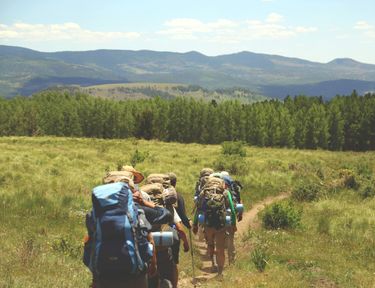
How to Pack a Backpack for Camping Like a Pro
Whether you’re heading out for a weekend hike or a multi-day wilderness adventure, knowing how to pack a backpack for camping is a game-changer. It’s not just about stuffing gear into a bag—it’s about balancing weight, organizing essentials, and ensuring you're prepared for everything the outdoors might throw at you. Let’s dive into pro-level strategies to help you pack smart and travel light.
Why Packing Matters More Than You Think
Many beginners underestimate the importance of how they pack a travel backpack. Poor weight distribution can cause back pain, make hiking harder, and even lead to injuries. On the flip side, a well-packed backpack provides easy access to gear, balances your load, and enhances your overall experience.
Choose the Right Camping Backpack – The Verage Way
At Verage, we understand that packing your backpack for camping starts with choosing the right one. That’s why our camping backpacks are built to meet the demands of every outdoor adventure—whether you're heading out for a weekend hike or a multi-day expedition. Designed with adjustable straps, padded hip belts, and multiple compartments for smart organization, our backpacks offer a perfect fit for your body and your gear. Made from durable, water-resistant materials, Verage backpacks deliver the strength and reliability you need in the wild. Contact us to get the ideal backpacks for all kinds of trips.
Step 1: Lay Out Your Gear
Before you start packing your backpack for camping, lay everything out. This gives you a visual overview and helps you prioritize essentials. Typical items include:
- Tent and sleeping bag
- Cooking gear and food
- Clothing layers and rain gear
- First aid and navigation tools
Use this opportunity to identify what's truly necessary and leave out the excess.
Step 2: Group Items by Use and Frequency
One of the best tips for packing a backpack for camping is to group your gear based on how often you’ll use it. Put things like your tent and sleeping pad at the bottom since they’re used only at night. Keep rain gear, snacks, and maps near the top or in side pockets for quick access.
Pro Tip:
Use stuff sacks or dry bags to keep gear separated and protected from moisture. Color-code them for even easier organization.
Step 3: Balance the Load
Weight distribution is essential when you pack your backpack for camping. Here's how to do it right:
- Bottom: Lightweight items like your sleeping bag
- Middle (core): Heavier items such as food or cookware—close to your spine
- Top: Lighter, quick-access items like jackets or toiletries
- Exterior pockets: Small essentials like a headlamp, snacks, or a multitool
Balancing your load ensures you won’t tip or lean while walking.
Step 4: Pack Smart, Not Tight
Many first-time campers make the mistake of stuffing everything in until their backpack bulges. When you pack a backpack for camping, always leave a little room at the top. This helps with:
- Easier zipping and unzipping
- Adjusting to shifting gear
- Adding last-minute items
Also, avoid attaching too much gear to the outside of the pack—it can throw off your balance or snag on branches.
Step 5: Use Compression to Maximize Space
Compression straps aren’t just decoration—they help secure your load and minimize wasted space. After you've finished packing your camping backpack, tighten all the compression straps to:
- Keep items from shifting
- Make your backpack more compact
- Improve stability on the trail
This is especially useful for multiday hikes when your pack is heavier and space is at a premium.
Step 6: Keep Essentials Accessible
When thinking about how to pack your backpack for camping, remember that some items need to be reachable at a moment’s notice. These include:
- Water bottle or hydration system
- Rain jacket
- Trail snacks
- Sunscreen and bug spray
- A map or a GPS device
Use external pockets, hip belt pouches, or the top lid to stash these essentials.
Step 7: Test the Fit Before You Go
Once you're done packing your backpack for camping, take it for a short test walk. Make adjustments to the shoulder straps, hip belt, and sternum strap. Your backpack should:
- Sit snugly against your back
- Transfer most weight to your hips
- Feel balanced and not sway side-to-side
Walking around with a loaded pack helps you make adjustments before hitting the trail.
Bonus: Ultralight Packing Tips
If you're aiming to go ultralight, here are a few expert-level ideas for how to pack a backpack for a camping trip with minimal weight:
- Ditch duplicate items (do you need both a spoon and a spork?)
- Opt for multi-use gear (bandana as a towel, sun cover, and pot holder)
- Choose dehydrated meals and collapsible cookware
- Bring only the clothes you need—no extras
Minimalist packing not only saves weight but makes organizing your gear simpler, too.
Common Mistakes to Avoid
Avoid these packing errors that can ruin an otherwise great trip:
- Overpacking items “just in case”
- Ignoring weather conditions when choosing clothing
- Hanging heavy gear on the outside of your pack
- Skipping a test-fit walk
- Not knowing where specific items are packed
Knowing how to pack a camping backpack efficiently can prevent a lot of trail frustration.
Final Thoughts
Learning how to pack a backpack for camping the right way isn’t complicated—it just takes planning and a little practice. From choosing the right gear to balancing weight properly, these tips will help ensure your next trip is smooth, safe, and enjoyable. As you refine your system, you'll find what works best for you and make adjustments with every new journey.
And remember—your backpack is your mobile base camp. Equip yourself with a reliable, thoughtfully designed pack like those offered by Verage, and you'll be set up for camping success from the first step to the final campsite.
Also read: 10 Genius Packing Hacks to Maximize Your Carry-On Space




© 2024 VERAGE Powered by Shopastro
Last Updated2026-09-24