We offer a 120-day trial period for unused products.


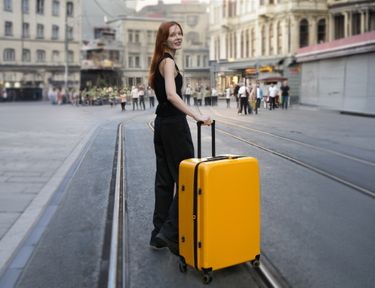
Essential Tips for Packing Fragile Items in Checked Luggage
Traveling with delicate items like glassware, electronics, or souvenirs can feel risky—especially when they need to go in your checked luggage. Once your suitcase is out of your hands, it’s exposed to pressure, motion, and handling that could potentially damage your belongings.
Understanding how to properly pack fragile items in check-in luggage is crucial for any traveler looking to keep their valuables safe. In this blog, we’ll walk you through expert-approved tips to help you prepare your checked suitcase for even the roughest journeys.
Why Fragile Items Are at Risk in Checked Luggage
Checked luggage goes through a chaotic journey: conveyor belts, stacking in cargo holds, changes in air pressure, and handling by different airline staff. Fragile items inside your check-in luggage can shift or collide with heavier objects, making them prone to cracks, leaks, or complete breakage.
Some of the most commonly packed fragile items include:
- Glass bottles (wine, perfumes, snow globes)
- Electronics (cameras, tablets, lenses)
- Ceramics, artwork, and souvenirs
- Musical accessories and collectibles
That’s why investing in the right check-in suitcase and packing smartly can make all the difference.
Tip 1: Choose the Right Check-In Luggage
At Verage, we believe that your luggage should do more than just carry your belongings—it should actively protect them. That’s why our check-in luggage is engineered as your first line of defense, especially when transporting fragile items.
We design our hard-shell suitcases using durable materials like polycarbonate and ABS to ensure superior shock absorption and structural integrity. This helps shield the contents from rough handling, pressure, and impact throughout the journey.
Inside, we prioritize thoughtful organization and protection. Our check-in luggage features structured compartments, compression straps, and strategically placed padding to keep delicate items secure and immobile. Reinforced corners, smooth-gliding anti-shock wheels, and durable zippers round out the design—ensuring reliable performance even in the most demanding travel conditions.
Whether you're packing glassware, electronics, or irreplaceable keepsakes, Verage delivers peace of mind through luggage that’s purpose-built for safe, smart travel.
Tip 2: Wrap Items Individually for Maximum Protection
Each fragile item should be treated as if it's traveling solo. Use layers of bubble wrap, foam padding, or even soft clothing to wrap each item individually. This prevents them from clinking together or being crushed by heavier objects inside your checked luggage.
For example, wrap a ceramic mug in bubble wrap and then place it in the center of a sweater. For bottles or vases, cover them completely and then sandwich them between folded jeans or jackets.
Avoid wrapping two items together—even if they’re small—as direct contact increases the risk of breakage within your check-in luggage.
Tip 3: Use Soft Items to Create Shock Absorbing Layers
Clothing is a traveler’s secret weapon for protecting fragile items. Build a cushioned base at the bottom of your checked suitcase using bulkier clothes like sweaters, hoodies, or jeans. Then, place your wrapped items in the center and surround them with more soft garments to form a protective nest.
This method prevents movement and insulates fragile pieces from all angles. You can also use soft shoes or scarves to fill gaps inside your check-in luggage.
Tip 4: Eliminate Empty Spaces Inside Checked Luggage
Gaps inside your checked luggage are hazardous. They allow your packed items to shift and collide during transit. Use every bit of space efficiently by filling in gaps with packing cubes, undergarments, or accessories.
Packing cubes are especially useful—they help you organize while adding another layer of protection around delicate items. You can also insert rolled t-shirts or travel pouches between items to keep them steady in your check-in suitcase.
Tip 5: Keep Fragile Items Toward the Center
When packing, never place fragile items against the outer walls of your checked luggage. Instead, aim for the center, ideally surrounded by soft and dense clothing on all sides. This reduces exposure to external pressure, especially when your bag is tossed or stacked.
Also, avoid placing delicate items near the wheels or handle—these are high-impact zones. Keeping them centered in your check-in luggage offers the best chance of damage-free arrival.
Tip 6: Label Your Check-In Luggage as “Fragile”
While not foolproof, placing a “FRAGILE” sticker on your checked luggage may encourage more careful handling by airport staff. You can ask for one at the airline counter when checking in.
Some travelers also use personal fragile tags or red tape, which can help signal that their check-in suitcase contains delicate contents.
Tip 7: Get Travel Insurance for High-Value Items
If you’re traveling with expensive or irreplaceable items, consider purchasing travel insurance that covers damaged or lost belongings. Airlines typically offer only limited compensation for damaged checked luggage, and fragile items may be excluded.
Comprehensive insurance gives you peace of mind, especially when using check-in luggage for glassware, electronics, or other sensitive goods.
Tip 8: Monitor Weight and Balance in Your Luggage
Overloaded luggage not only risks overweight baggage fees but also increases the chances of damage. A heavy check-in suitcase can strain the shell and cause internal items to compress or crack.
Use a portable luggage scale to ensure your checked luggage stays within the airline’s weight limit. Distribute weight evenly and layer your fragile items between heavier and softer belongings for stability.
Tip 9: Know What Not to Pack in Checked Luggage
Even with all the right techniques, some items simply shouldn’t go in your checked luggage. These include:
- Laptops and tablets
- Jewelry or valuables
- Medications and travel documents
- Lithium-ion batteries or power banks
Keep these in your carry-on to prevent loss or damage. Let your check-in luggage handle only what can safely travel without supervision.
Tip 10: Inspect Items as Soon as You Arrive
After your flight, open your check-in luggage promptly and check the condition of all fragile items. If something is broken:
- Take clear photos of the item and suitcase
- Report the damage to airline staff immediately
- File a claim as soon as possible (with the airline or travel insurance)
Quick action improves your chances of receiving reimbursement.
Final Thoughts: Travel Safer, Pack Smarter
Packing fragile items doesn’t have to feel like a gamble. With the right strategy—and the right check-in luggage—you can safeguard your valuables even on long-haul journeys. From wrapping with care to cushioning and smart placement, each tip protects your belongings.
Most importantly, investing in high-quality checked luggage like that from Verage ensures you’re not just protecting your items but traveling with ease and peace of mind. Their luggage combines resilience, thoughtful interiors, and smart engineering to give fragile items the security they need—no matter how far you travel.
Contact us to choose the right checked luggage for your trip.
Also read: 10 Genius Packing Hacks to Maximize Your Carry-On Space




© 2024 VERAGE Powered by Shopastro
Last Updated2026-09-24