We offer a 120-day trial period for unused products.


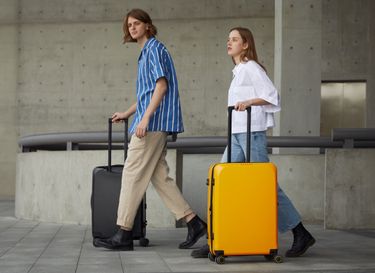
Comparing Polycarbonate vs. ABS: Which Hardside Luggage Material Is Right for You?
Selecting the right hardside luggage is more than just picking a color or size—it’s about choosing a material that will protect your belongings, endure frequent travel, and suit your lifestyle. Among travelers, the debate between Polycarbonate vs. ABS is common, as each material offers unique advantages. In this guide, we break down the differences in durability, weight, cost, aesthetics, and sustainability to help you decide which hardside luggage material fits your needs.
Durability and Impact Resistance
One of the most crucial factors in comparing polycarbonate vs. ABS is durability. Polycarbonate stands out for its flexibility and high impact resistance. When the luggage takes a hit, its shell can flex and return to shape, reducing the risk of cracks or dents. This makes polycarbonate ideal for frequent flyers or those who face rough handling at airports.
On the other hand, ABS is more rigid. While it can handle light impacts well, it is more prone to cracking, especially at corners or weak points. Travelers who prioritize long-term durability often prefer polycarbonate hardside luggage, while casual users may find ABS sufficient for occasional trips.
Weight and Portability
Weight is another important consideration. ABS luggage is generally lighter than traditional polycarbonate, which can be advantageous for carry-on limits. However, advances in material engineering have allowed polycarbonate hardside luggage to become more lightweight without compromising strength. In practice, the weight difference between high-quality ABS and polycarbonate luggage is often negligible, allowing travelers to enjoy durability without significant extra heft.
Cost and Long-Term Value
When examining polycarbonate vs. ABS, cost is a significant factor. ABS is typically more budget-friendly, making it appealing for travelers who only need luggage occasionally. In contrast, polycarbonate hardside luggage usually comes at a higher upfront price.
However, polycarbonate's durability often translates into better long-term value. Its resistance to impact, cracking, and UV wear means you’re less likely to replace it frequently. If you travel regularly, investing in polycarbonate luggage can save money over time while providing peace of mind.
Aesthetic Longevity and Weather Resistance
Polycarbonate luggage also tends to outperform ABS when it comes to appearance over time. It resists scratches, dents, and UV-related yellowing, maintaining a polished, premium look for years. ABS, while attractive initially, may show visible wear sooner, especially with frequent handling or exposure to sunlight. For travelers who value luggage that stays looking new, polycarbonate hardside luggage is often the preferred choice.
Sustainability and Environmental Impact
Sustainability is becoming increasingly important for travelers. Polycarbonate has a longer service life and is recyclable, giving it an eco-friendly edge over ABS. Choosing durable, long-lasting luggage reduces waste and minimizes your environmental footprint—a small but meaningful consideration in the Polycarbonate vs. ABS decision.
Comparison Table: Polycarbonate vs. ABS
Feature | Polycarbonate | ABS (Acrylonitrile Butadiene Styrene) |
Durability / Impact Resistance | High; flexible, absorbs impacts | Moderate; more rigid, prone to cracks |
Weight | Lightweight and manageable | Slightly lighter, but differences are small |
Cost | Higher upfront, better long-term value | Budget-friendly, suitable for occasional use |
UV / Weather Resistance | Resistant to UV, maintains appearance | Can yellow or degrade over time |
Aesthetic Longevity | Sleek finish, fewer visible scratches | Shows wear faster |
Sustainability | Recyclable, long lifespan | Less eco-friendly |
Which Material Should You Choose?
ABS is suitable if:
- You travel occasionally.
- Budget is your primary concern.
- Lightweight luggage is a priority.
Polycarbonate is ideal if:
- You travel frequently or check your luggage often.
- You want long-lasting protection for your belongings.
- You value aesthetic longevity, flexibility, and sustainability.
Choosing the Right Luggage: Our Perspective
At Vérage 1958, we understand that choosing between Polycarbonate vs. ABS can be a tough decision for travelers. That’s why we design our polycarbonate hardside luggage to deliver the perfect balance of resilience, lightweight construction, and timeless style. Each piece is crafted to protect belongings while maintaining a sleek, polished appearance—even after frequent travel. With our collection, you can trust that your luggage will perform reliably on business trips, weekend getaways, or global adventures, offering both practicality and peace of mind on every journey.
Conclusion
The choice between Polycarbonate vs. ABS comes down to your travel habits and priorities. ABS provides affordability and lightness for occasional trips, while polycarbonate offers superior durability, long-term value, and an elegant finish for frequent travelers. By understanding the strengths and limitations of each material, you can select hardside luggage that not only meets your practical needs but also complements your style.
Whether you’re packing for a weekend getaway or a global adventure, choosing the right luggage material ensures that your belongings stay safe and your travel experience remains smooth. Explore the Vérage 1958 polycarbonate collection today and discover luggage designed to handle every journey with confidence.
Also read: Top Features to Look for in Premium Hardside Luggage




© 2024 VERAGE Powered by Shopastro
Last Updated2026-09-17