We offer a 120-day trial period for unused products.



Can Backpacks Be Washed in a Washing Machine?
Keeping a backpack clean isn’t just about appearance — it’s about hygiene, durability, and ensuring your daily companion lasts through school, work, commuting, or travel. One of the most common questions is: “Can backpacks be washed in a washing machine?”
The short answer: sometimes yes, sometimes no. But the full answer depends on the material, construction, and care instructions of your backpack. In this guide, you’ll learn step-by-step how to clean a backpack, when machine washing is safe, when it’s not, and the best methods to keep your travel backpack in top shape for years.
Why It Matters: The Importance of Cleaning Your Backpack Properly
Backpacks collect sweat, dirt, spilled snacks, dust from trains and airports, and even bacteria from shared surfaces. Whether it’s a school bag, gym pack, laptop carrier, or a travel backpack, regular cleaning prevents odors, prolongs its life, and keeps your belongings protected.
But improper cleaning — especially incorrect machine washing — can damage zippers, padding, coatings, and waterproof layers. That’s why understanding how to clean a backpack correctly is both practical and surprisingly important.
Can Backpacks Be Washed in a Washing Machine?
Most backpacks can be washed in a washing machine — but only if they meet certain conditions. Manufacturers use different materials, linings, and coatings, so checking these details first is essential.
Machine washing is generally safe if the backpack:
- Has no leather or suede parts
- Uses durable polyester or nylon
- Has no cardboard or rigid structure inside
- Doesn’t include sensitive electronic panels or metal frames
- Does not rely heavily on waterproof coatings that could be damaged
Many modern backpacks, especially well-designed daypacks and some travel backpack models, are built to handle gentle cleaning. But luxury packs, leather-trim designs, hiking packs with frames, or waterproof-coated backpacks often require hand washing instead.
How Do You Know If Your Backpack Is Machine Washable?
Before you try to clean a backpack in a washing machine, check:
1. The Care Label
Most backpacks include a care tag with washing instructions. Look for:
- “Machine washable”
- “Hand wash only”
- “Do not soak”
- “Surface clean only”
2. The Material
Polyester and nylon are usually safe. Leather, suede, and coated fabrics are not.
3. The Construction
Suspension frames, complex padding, or glued-on layers can be damaged in a washer. If the instructions are missing, search for your model online or choose hand washing to be safe.
How to Wash a Backpack in a Washing Machine (Safely and Correctly)
If your backpack meets the criteria for machine washing, follow these steps to avoid damaging the fabric, zippers, or internal structure.
Step 1: Empty the Backpack Completely
Check every pocket — even the small ones. Remove:
- Pens
- Coins
- Receipts
- Chargers
- Paper clips
- Loose dirt
- Food crumbs
Shake it upside down to clear debris.
Step 2: Remove Any Hard Frames or Straps
Some travel backpack frames or hip belts can distort in a wash cycle.
Step 3: Pre-Treat Stains
Use mild detergent or stain remover on areas with:
- Sweat stains
- Ink
- Coffee spills
- Oil spots
Let it sit for 10–15 minutes.
Step 4: Place the Backpack in a Laundry Bag
A pillowcase works too. This protects zippers and helps prevent snagging.
Step 5: Use a Gentle Cycle
Use:
- Cold water
- A slow spin
- Mild detergent
- No bleach
- No fabric softener
Harsh chemicals can weaken fibers and strip water-repellent layers.
Step 6: Air Dry Only
Never use a dryer. Heat can melt coatings or warp padding. Hang the backpack upside down in a ventilated area and let it dry naturally.
When Should You Avoid Washing a Backpack in a Washing Machine?
Some backpacks should never be machine washed. If your backpack contains these features, stick to hand washing:
Backpacks With Leather or Suede
Water and agitation damage these materials.
Backpacks With Waterproof or Teflon Coating
Machine washing can strip the protective layer.
Travel Backpacks With Metal Frames
The frame can bend or puncture the fabric.
Structured Backpacks With Foam Inserts
These may absorb too much water and become misshapen.
Premium or Designer Packs
Luxury stitching and trims require gentler care. If you’re unsure, it’s safer to hand wash.
How to Clean a Backpack by Hand (A Safer Method for All Types)
If machine washing isn’t suitable, here’s how to clean a backpack by hand without damaging it.
Step 1: Prepare a Basin or Bathtub
Use lukewarm water. Add a small amount of gentle detergent.
Step 2: Brush Off Surface Dirt
Use a soft brush or cloth to remove dust and grime.
Step 3: Scrub Gently
Dip a sponge or cloth into the soapy water and scrub the dirty spots. Focus on:
- Straps
- Back panel
- Bottom surface
- Zipper areas
These parts collect the most sweat and dirt.
Step 4: Rinse Thoroughly
Make sure no detergent remains — residue can trap dirt.
Step 5: Air Dry Carefully
Hang upside down, fully open, ideally outdoors in the shade. Hand washing helps maintain the shape and lifespan of your backpack, especially if it’s a high-quality travel backpack built for durability.
How Often Should You Clean a Backpack?
This depends on how you use it:
- Daily commute: every 2–3 months
- Gym use: every month
- Travel backpack: after each major trip
- Outdoor camping bag: after muddy or dusty use
A quick weekly wipe-down helps prevent odor and buildup.
What About Backpacks With Waterproof Coating or Teflon Treatment?
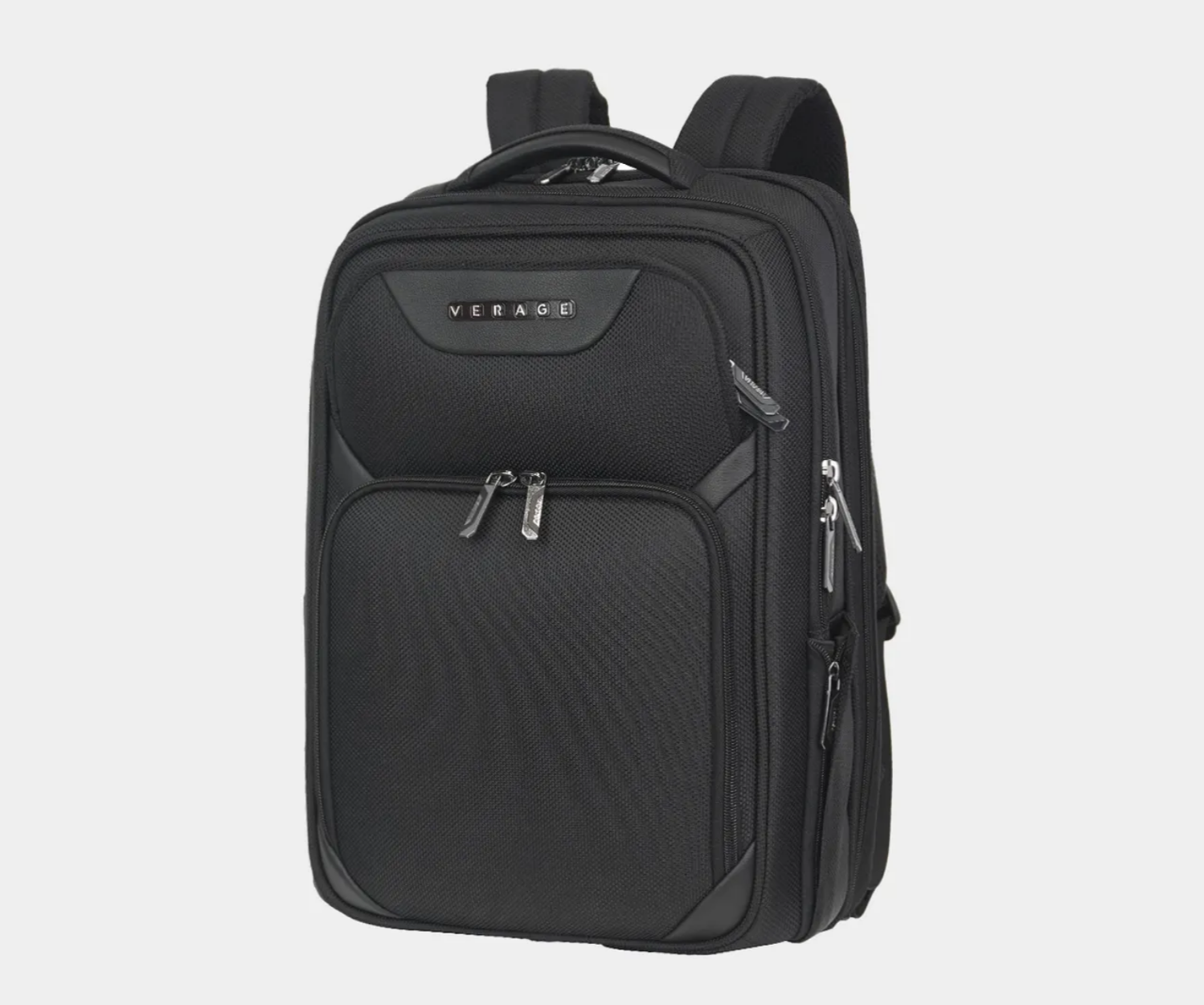
Premium backpacks often use special coatings to repel water, oil, and stains. Machine washing can shorten the lifespan of these protective layers. For example, the Verage Chicago Backpack — designed with Teflon-treated, waterproof, and oil-proof material — is better suited for surface cleaning or gentle hand washing. Its structured support, padded backrest, and smart compartments are built for resilience, but machine washing isn’t recommended for long-term material health. If you rely on a travel backpack that includes protective coatings, stick to wiping, spot-cleaning, and hand washing to maintain performance.
What’s the Best Way to Keep a Travel Backpack Fresh Between Washes?
To reduce how often you need a deep clean:
- Use backpack organizers or pouches
- Store liquids in sealed bags
- Air it out after long days
- Wipe sweat-prone areas weekly
- Clean zippers with mild soap
Consistent light care keeps odors away and preserves shape and durability.
Quick Tips for Cleaning Special Backpack Types
Hiking Backpacks
Avoid soaking the frame or thick padding. Use hand washing only.
Laptop Backpacks
Remove electronics and use minimal water around padded compartments.
School Backpacks
Spot clean frequently to remove pencil marks, spilled snacks, and dirt.
Travel Backpacks
Wipe down after flights and clean thoroughly after long trips.
A Backpack That Stays Cleaner, Longer
When choosing a backpack that handles dirt, travel, and daily life well, materials matter.
One example that stands out is the Verage Chicago Backpack — built with:
- Teflon-treated waterproof fabric
- Oil-resistant coating
- Sturdy metal zippers
- Organized compartments
- A hidden anti-theft pocket
- A comfortable, ventilated padded back panel
Its water-repellent surface makes cleaning easier — usually a quick wipe is enough. This isn’t a backpack you’ll need to toss into a washing machine. Light cleaning goes a long way.
Final Thoughts: Should You Wash Your Backpack in the Washing Machine?
Yes — but only if the backpack is designed for it. Many users wash backpacks in machines without issues, but it’s always important to check:
- Material
- Care instructions
- Structure
- Coatings
If you want to clean a backpack safely, hand washing remains the best and most universal method. A well-maintained travel backpack lasts longer, looks better, and protects your belongings more reliably.
Whether you're commuting, heading to the gym, or boarding your next flight, keeping your backpack clean ensures it stays comfortable, hygienic, and dependable every day.
You can read more related blog: How to Properly Clean and Maintain Your Backpack




© 2024 VERAGE Powered by Shopastro
Last Updated2026-09-17